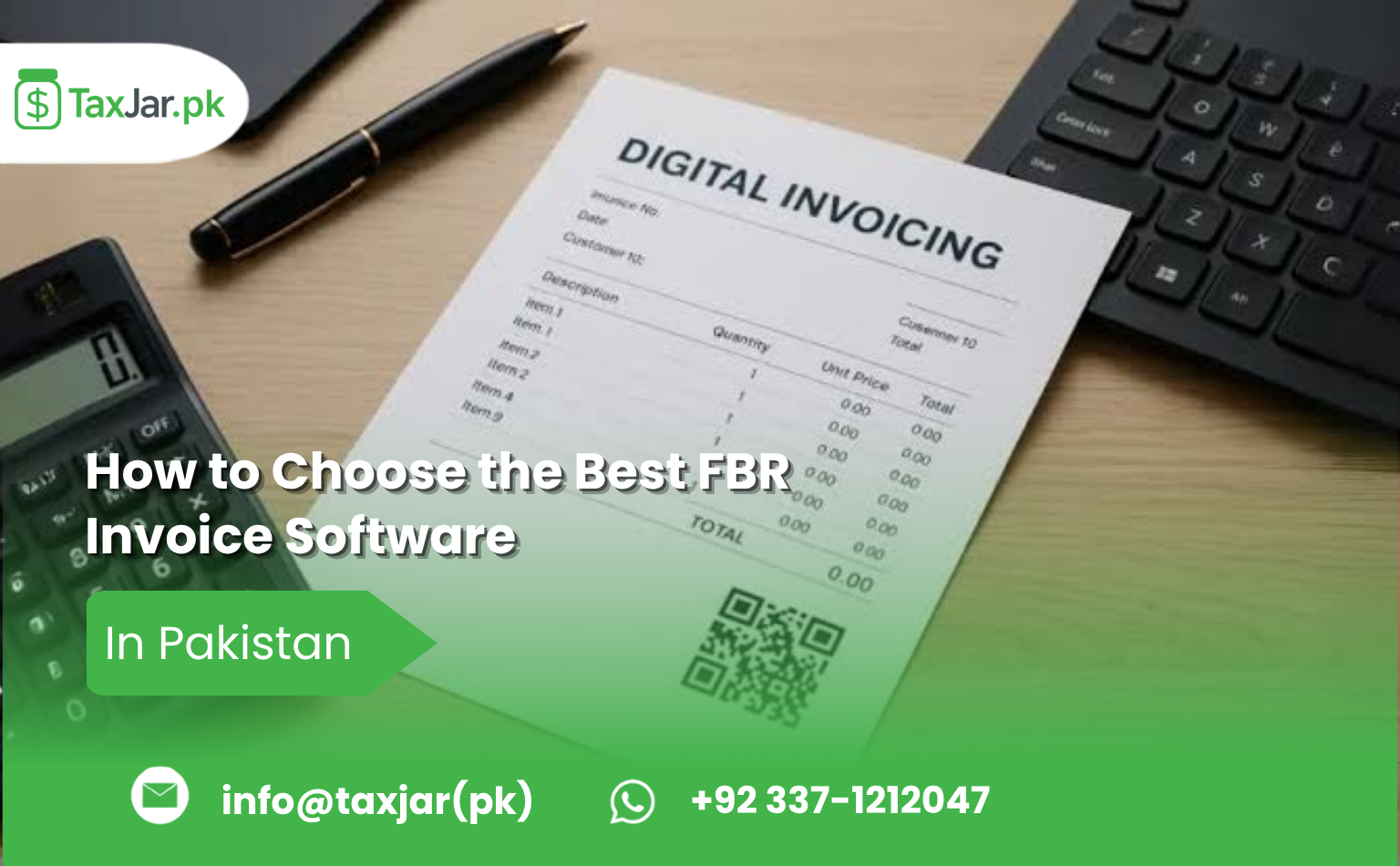
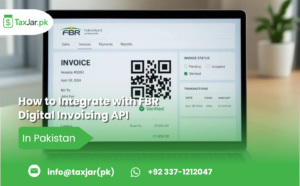
An appropriate sales tax invoice generally needs to identify the seller and provide relevant transaction information. Depending on the applicable requirements, this can include the seller’s business name, address, registration details, invoice number, date of issue, and buyer information. The invoice should also clearly describe the goods or services supplied and show the relevant quantities, values, and applicable tax amounts. Businesses should use accurate information that corresponds with their actual transaction. Because FBR requirements can change and may differ by taxpayer category, businesses should verify the latest applicable requirements before finalizing their invoice format.
Sales tax invoices are closely connected with the seller’s tax registration status. Where sales tax registration applies, relevant registration information may need to appear on the invoice. Businesses should ensure that their registration information is accurate and consistently presented. Using incorrect registration details can create problems when invoices are reviewed or used as supporting tax documentation. Maintaining updated taxpayer information is therefore an important part of effective sales tax administration.
An invoice should have a clear identification number that allows the transaction to be tracked within the business’s records. Consistent invoice numbering can make it easier to locate invoices and reconcile sales with accounting records. The date of the transaction or invoice is also important because tax reporting and accounting records depend on accurate transaction dates. Businesses should maintain a consistent system for recording invoice dates and numbers. Digital invoicing software can help businesses organize invoice numbering and reduce manual record-keeping errors.
The invoice should clearly identify the goods or services supplied. Descriptions should be sufficiently clear to explain what was sold and should correspond with the underlying transaction. Relevant quantities, unit prices, discounts where applicable, and total amounts should be recorded accurately. Clear descriptions make invoices easier for businesses and customers to understand and can support better financial record management.
Where sales tax applies, the invoice should show the relevant tax information according to applicable FBR requirements. This may include the applicable sales tax rate and the amount of sales tax charged. Businesses should apply the correct tax treatment based on the nature of the transaction, product or service, taxpayer status, and applicable law. Different goods and services may be subject to different rules, exemptions, or rates. For this reason, businesses should regularly review current FBR requirements rather than relying on outdated tax information.
How TaxJar.pk Helps With Sales Tax Invoicing
TaxJar.pk is designed to help Pakistani businesses manage digital invoicing and tax-related processes more efficiently. Businesses can use the platform to create invoices, manage customer information, calculate sales tax, and maintain organized transaction records. Instead of relying entirely on manual invoice preparation, businesses can use a digital workflow to reduce repetitive tasks and improve consistency. TaxJar.pk can be useful for retailers, wholesalers, distributors, manufacturers, service providers, and other businesses that need structured invoice management. Businesses should configure their tax settings according to their applicable legal and FBR requirements.
Common Sales Tax Invoice Mistakes
Businesses can face problems when invoices contain incorrect tax calculations, missing registration information, inaccurate customer details, inconsistent invoice numbers, or incomplete descriptions of goods and services. Manual invoice preparation can increase the possibility of such mistakes, particularly when a business processes a large number of transactions. Regular review and digital record management can help reduce avoidable errors. Businesses should also keep their invoicing processes aligned with the latest applicable FBR rules.
Maintaining Sales Tax Invoice Records
Proper record keeping is an important part of tax compliance. Businesses should retain invoices and supporting transaction records for the period required under applicable laws and regulations. Digital systems can make it easier to organize, search, and retrieve invoice information when needed. A centralized invoicing system can also help businesses reconcile sales records with accounting and tax reporting data. Accurate records can save time during financial reviews, tax preparation, and compliance processes.
Benefits of Using Digital Sales Tax Invoices
Digital sales tax invoicing can make business administration more efficient by reducing paperwork and repetitive manual entry. Businesses can create invoices faster, organize transaction information, and maintain more consistent records. Digital records can also improve visibility into sales and tax information. When invoice data is properly structured, businesses can more easily review transactions and prepare information needed for accounting and applicable tax reporting.
Staying Updated With FBR Requirements
FBR tax requirements can change over time, including requirements related to sales tax, digital invoicing, reporting, and documentation. Businesses should therefore monitor official FBR communications and applicable legislation to ensure their invoicing processes remain current. Software that receives regular updates can help businesses adapt their workflows as digital tax requirements evolve. However, businesses should verify that their specific tax treatment and compliance obligations are appropriate for their circumstances.
Conclusion
Understanding FBR sales tax invoice requirements is essential for businesses that issue taxable invoices in Pakistan. Accurate seller and buyer information, invoice identification, transaction details, and applicable sales tax information help businesses maintain proper records and support tax compliance. Digital invoicing can make this process more efficient by reducing manual work and keeping transaction information organized. TaxJar.pk provides businesses with tools for digital invoicing, customer management, sales tax calculations, and structured transaction records. By maintaining accurate invoices, keeping proper records, and staying informed about current FBR requirements, businesses can build a more organized and efficient approach to sales tax management.
Latest Blogs