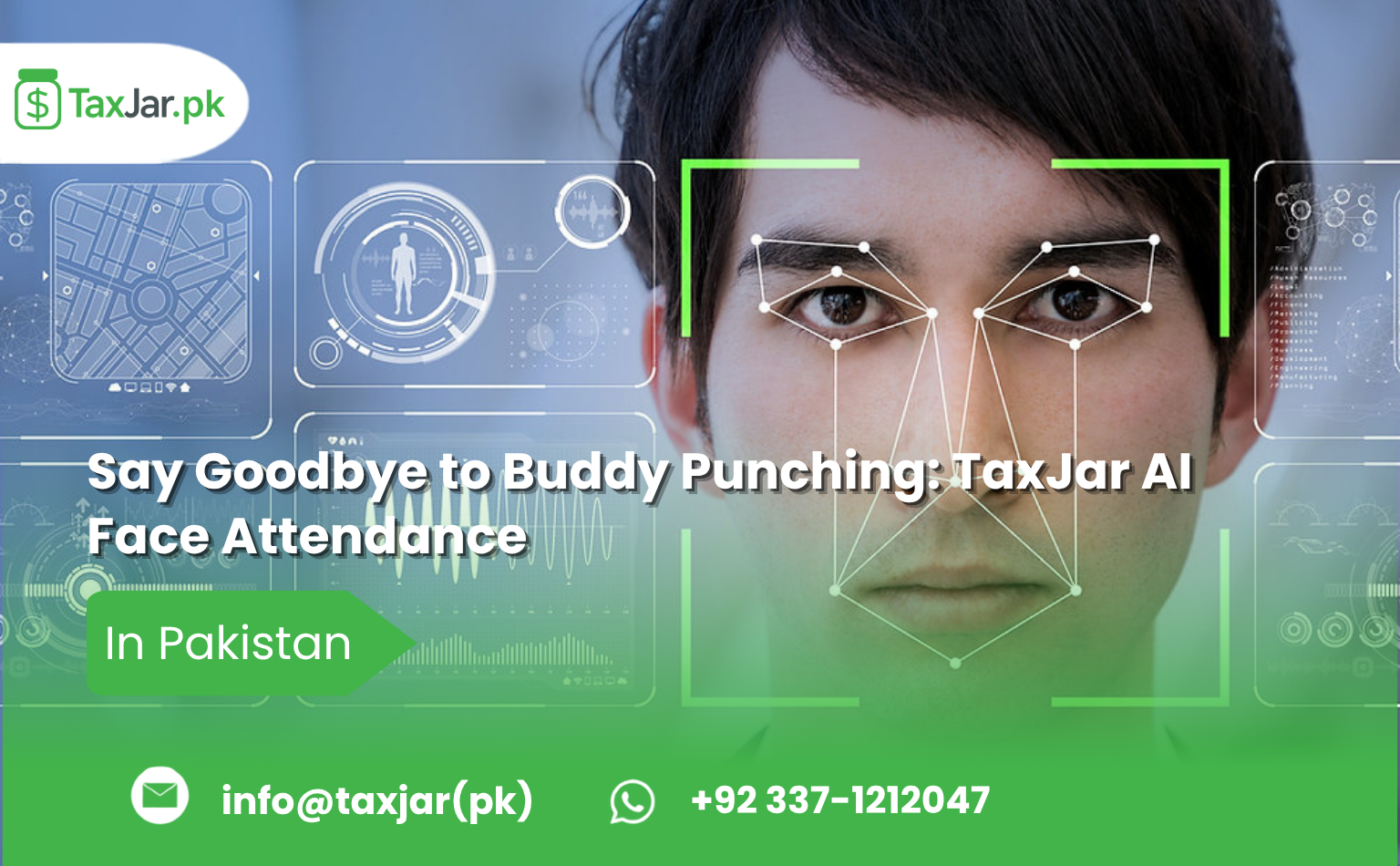
TaxJar AI Face Attendance for Different Businesses
Businesses of different sizes and industries can benefit from automated attendance management. Retail businesses may need to manage employees across stores and shifts. Offices may require reliable check-in and check-out records, while manufacturing and other operational businesses may need attendance systems for employees working different schedules. The appropriate configuration depends on the organization’s workforce structure, policies, and operational requirements.
Attendance Management for Growing Businesses
As a business grows, managing employee attendance manually becomes increasingly difficult. A small company may initially manage attendance through spreadsheets, but a larger workforce can create thousands of records every month. An automated system provides a more scalable approach to attendance management. TaxJar AI Face Attendance can help businesses transition from manual processes to digital workforce management as their employee base expands.
Benefits of Contactless Attendance
Facial recognition can provide a contactless method of attendance verification. Employees do not necessarily need to touch shared attendance devices or exchange physical cards. This can provide a convenient experience for employees while helping businesses modernize their workplace technology. Organizations should still ensure that the system is configured and used in accordance with applicable privacy, security, employment, and data protection requirements.
Secure Employee Attendance Data
Employee attendance information can be sensitive. Businesses should take appropriate steps to protect employee data and control access to attendance records. When using facial recognition technology, organizations should pay particular attention to data security, privacy practices, consent or notice requirements where applicable, retention policies, and access controls. TaxJar.pk can help businesses adopt digital workforce tools, but organizations remain responsible for ensuring that their use of biometric or facial recognition technology complies with applicable laws and internal policies.
Cloud-Based Attendance Management
Cloud-based workforce management can allow authorized managers to access attendance information from different locations, depending on the platform’s configuration. This can be particularly useful for businesses with multiple branches or distributed teams. Centralized digital attendance information can reduce dependency on physical registers and make management reporting more convenient.
Attendance Reports and Insights
Attendance reports help managers understand workforce patterns. Businesses may want to review employee attendance, late arrivals, absences, working hours, and other relevant information. Digital reporting can make it easier to identify trends and investigate unusual attendance patterns. TaxJar AI Face Attendance can support more organized attendance reporting, helping HR teams make decisions based on structured workforce information.
Integration With TaxJar Business Management
Attendance management can be even more valuable when it works alongside other business processes. TaxJar.pk provides business management and financial technology solutions for Pakistani businesses. Connecting attendance information with payroll and broader business workflows can help organizations create a more centralized approach to workforce administration. An integrated approach can reduce duplicate data entry and improve the flow of information between HR and payroll functions.
How TaxJar AI Face Attendance Improves Productivity
Accurate attendance records can help businesses reduce administrative inefficiencies and improve workforce accountability. When employees know that attendance is being recorded through identity verification, the opportunity for attendance manipulation may be reduced. At the same time, HR teams can spend less time correcting attendance records and more time focusing on strategic workforce activities.
Why Businesses Should Move Beyond Traditional Attendance Systems
Traditional attendance methods can work for small organizations, but they may become difficult to manage as employee numbers increase. Manual registers can be lost or damaged, cards can be shared, and PINs can be exchanged. These weaknesses can affect attendance accuracy. AI-powered facial recognition provides an alternative approach that focuses on verifying employee identity rather than relying solely on something the employee carries or remembers.
Choosing an AI Face Attendance System
Businesses should evaluate an attendance system based on recognition accuracy, ease of use, security, reporting capabilities, scalability, integration options, and administrative controls. Privacy and data protection should also be considered carefully when implementing facial recognition. The system should fit the organization’s workforce structure and attendance policies rather than simply being selected because it uses AI.
The Future of AI Attendance Management
Artificial intelligence is increasingly being applied to workforce management. Facial recognition, automated scheduling, digital payroll, employee analytics, and cloud-based HR platforms are changing how organizations manage employees. As businesses continue to digitize their operations, AI attendance systems can become an important part of modern workforce management. TaxJar AI Face Attendance represents this shift from manual attendance tracking toward automated identity-based attendance management.
Conclusion
Say Goodbye to Buddy Punching with TaxJar AI Face Attendance and move toward a more modern approach to employee attendance management. Facial recognition can help verify employee identity, reduce opportunities for buddy punching, improve attendance accuracy, and simplify HR administration. TaxJar AI Face Attendance by TaxJar.pk provides businesses with a technology-driven approach to employee attendance tracking. Digital records, automated monitoring, reporting, and potential payroll integration can help organizations manage their workforce more efficiently. For businesses looking to replace manual registers, shared attendance cards, and PIN-based systems, AI-powered face attendance can provide a more reliable and convenient solution. By combining appropriate technology with clear attendance policies and responsible employee data practices, organizations can build a more efficient and transparent workforce management system.
Latest Blogs