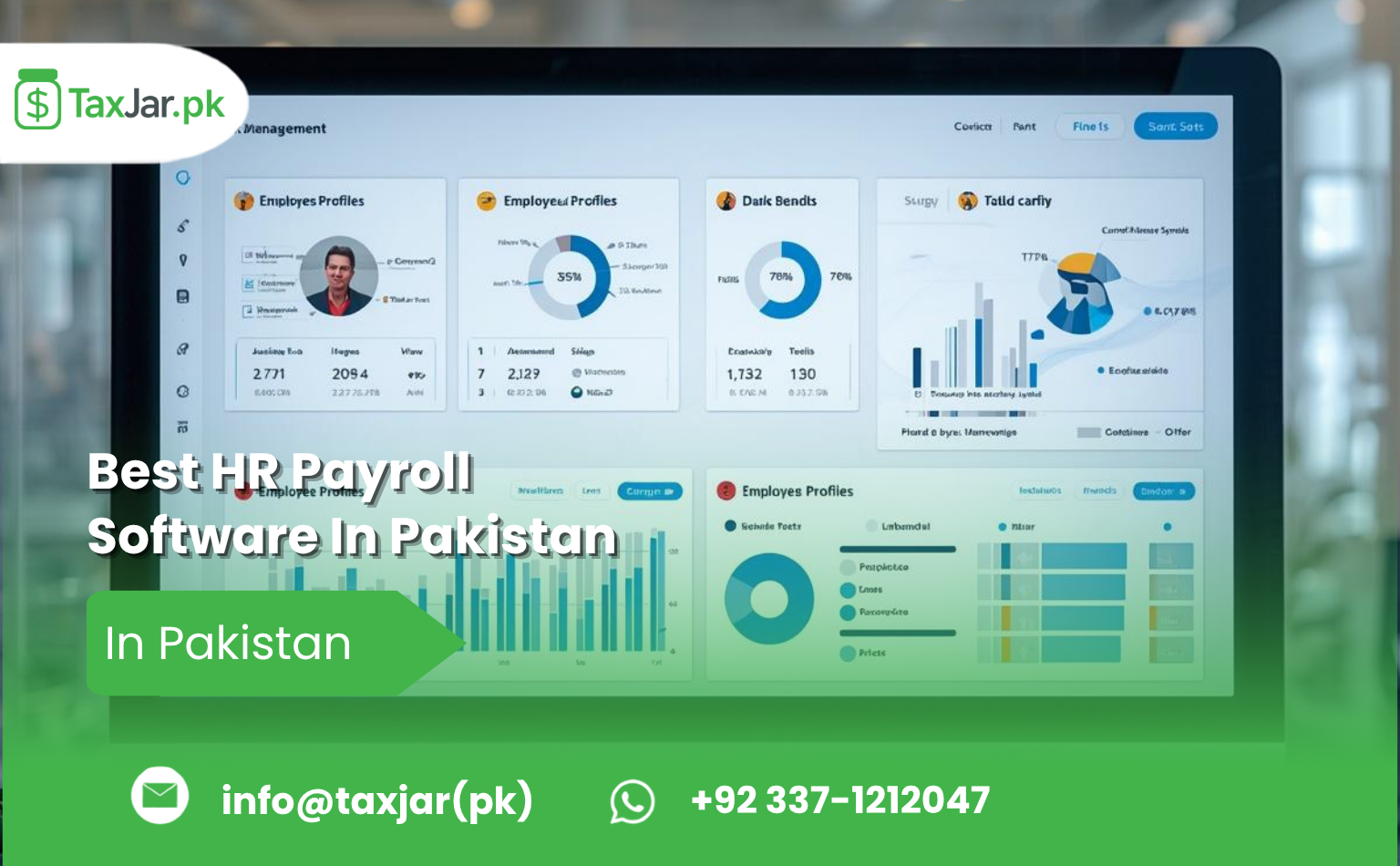
The best HR payroll software should be easy to use while providing the features necessary for accurate payroll management. Businesses should look for systems that support employee records, salary calculations, attendance management, leave tracking, deductions, payroll reporting, and secure data access. A good system should also be scalable so it can support an organization as its workforce grows. Integration with accounting and financial systems can provide additional benefits by reducing duplicate data entry and improving the flow of information between departments.
Maintaining accurate employee information is an important part of payroll administration. Employee records may include personal details, employment information, salary structures, department information, attendance data, and other relevant records. A centralized HR system allows authorized staff to access and update employee information efficiently. Digital employee records are also easier to search, organize, and maintain than paper-based files.
Cloud-Based Payroll Management
Cloud-based payroll systems allow authorized users to access payroll information through secure internet-connected devices. This can be useful for businesses with multiple locations or remote HR and finance teams. Cloud platforms can also simplify software updates, centralized data management, and backups. Businesses should evaluate the security and reliability of the cloud provider before storing sensitive employee information.
How TaxJar.pk Supports Modern Business Management
TaxJar.pk is a comprehensive business management and tax technology platform designed for businesses operating in Pakistan. While its core capabilities focus on digital invoicing, transaction management, tax-related workflows, and financial reporting, it can form part of a broader digital business management strategy. TaxJar.pk helps businesses organize sales transactions, customer information, digital invoices, and tax records within a centralized platform. Automated calculations and reporting can reduce repetitive financial administration and improve recordkeeping. For businesses looking to connect payroll-related financial information with broader business and tax operations, centralized financial data can make reporting and management more efficient. TaxJar.pk also provides dashboards that help businesses monitor transactions, invoices, sales activity, and tax information. Secure digital storage and controlled access help organizations manage sensitive business information more effectively. Businesses should evaluate their specific HR and payroll requirements and confirm that any software solution supports the employee management and payroll features they require.
Connecting Payroll With Accounting
Payroll is closely connected to accounting because employee salaries represent a major business expense. When payroll information is maintained separately from financial records, finance teams may need to enter salary information manually. Integrating payroll and accounting workflows can reduce duplicate data entry and improve financial reporting. Businesses can use integrated systems to understand how payroll expenses affect overall profitability and cash flow.
Benefits of Payroll Automation
Payroll automation can significantly reduce administrative workload. HR teams can spend less time performing repetitive calculations and more time focusing on employee management and organizational development. Automation also improves consistency and makes payroll records easier to review. For growing businesses, automated payroll can provide scalability without requiring a proportional increase in administrative resources.
Choosing the Best HR Payroll Software for Your Business
Businesses should consider several factors when selecting payroll software. Ease of use is important because HR and finance teams need to process payroll efficiently without complicated workflows. Security is equally important because payroll contains sensitive employee information. Businesses should also evaluate reporting capabilities, scalability, integrations, customer support, customization, and pricing. The software should match the organization’s size, industry, workforce structure, and future growth plans.
HR Payroll Software for Small and Growing Businesses
Small businesses often rely on spreadsheets because they appear inexpensive and simple. However, as the workforce grows, spreadsheet-based payroll can become difficult to manage. Payroll software provides a centralized approach that can reduce errors and simplify monthly processing. Growing businesses can benefit from choosing scalable technology early rather than waiting until payroll becomes difficult to manage.
Payroll and Compliance Management
Payroll compliance requires accurate records and proper application of relevant laws and regulations. Businesses should maintain documentation related to salaries, deductions, taxes, and employee payments. Payroll software can help organize these records and provide reports that support internal reviews. However, businesses should continue monitoring updates from relevant Pakistani authorities to ensure their payroll policies and software configurations remain appropriate.
The Future of HR and Payroll Software in Pakistan
HR technology in Pakistan is becoming increasingly digital. Cloud computing, automation, employee self-service, analytics, and integrated financial systems are changing how businesses manage their workforce. Future payroll platforms are likely to provide greater automation and real-time reporting while connecting HR, finance, accounting, and tax processes more closely. Businesses that adopt modern technology can improve operational efficiency and prepare for future workforce management requirements.
Conclusion
Choosing the best HR payroll software in Pakistan can help businesses simplify employee management, automate salary calculations, improve recordkeeping, and gain better visibility into workforce costs. Digital payroll systems reduce the limitations of manual spreadsheets and help organizations manage growing employee numbers more efficiently. Businesses should evaluate payroll platforms based on their HR requirements, security standards, reporting capabilities, scalability, integrations, and compliance needs. TaxJar.pk provides Pakistani businesses with modern digital tools for invoicing, transaction management, tax workflows, and financial reporting. By combining digital financial management with appropriate HR and payroll technology, businesses can create a more connected and efficient administrative environment. As Pakistani businesses continue adopting digital solutions, investing in reliable HR and payroll technology can help reduce administrative workload, improve accuracy, strengthen financial management, and support sustainable business growth.
Latest Blogs